
Questions
Why Cat Angry at Vet? Understand & Fix It
Cats get angry at the vet due to fear, stress from unfamiliar scents and handling, and pain or discomfort from exams. After a visit, your cat may show non-recognition aggression toward other pets because they smell different from the clinic.
Why Your Cat Is Angry After the Vet: Scent and Stress
Your cat's aggression after a vet visit is likely due to non-recognition aggression. Cats identify each other primarily by scent. When one cat returns from the vet carrying unfamiliar clinic odors, other cats in the home may not recognize them and react with hissing, growling, or even fighting. This is not personal—it's a natural response to a perceived stranger.
- Separate them immediately. Place the returning cat in a quiet room with food, water, and a litter box for at least 24–48 hours. This gives everyone time to decompress.
- Swap scents. Rub a clean cloth on each cat's cheeks and then exchange the cloths. Let them sniff each other's scent under the door before a face-to-face reintroduction.
- Use pheromone therapy. Plug in a Feliway diffuser in the room where the cats will reunite. Synthetic facial pheromones can reduce tension and promote calm.
- Reintroduce gradually. After 24–48 hours, allow brief supervised meetings. Offer treats and praise for calm behavior. If hissing occurs, separate again and try later.
- Monitor for signs of stress. Watch for hiding, decreased appetite, or excessive grooming. If aggression persists beyond 72 hours, consult our team at Cats Only Clinic.
For more on helping your cat adjust, see our guide on [[how-to-fix-tarzan-syndrome-in-cats|fixing Tarzan syndrome in cats]].



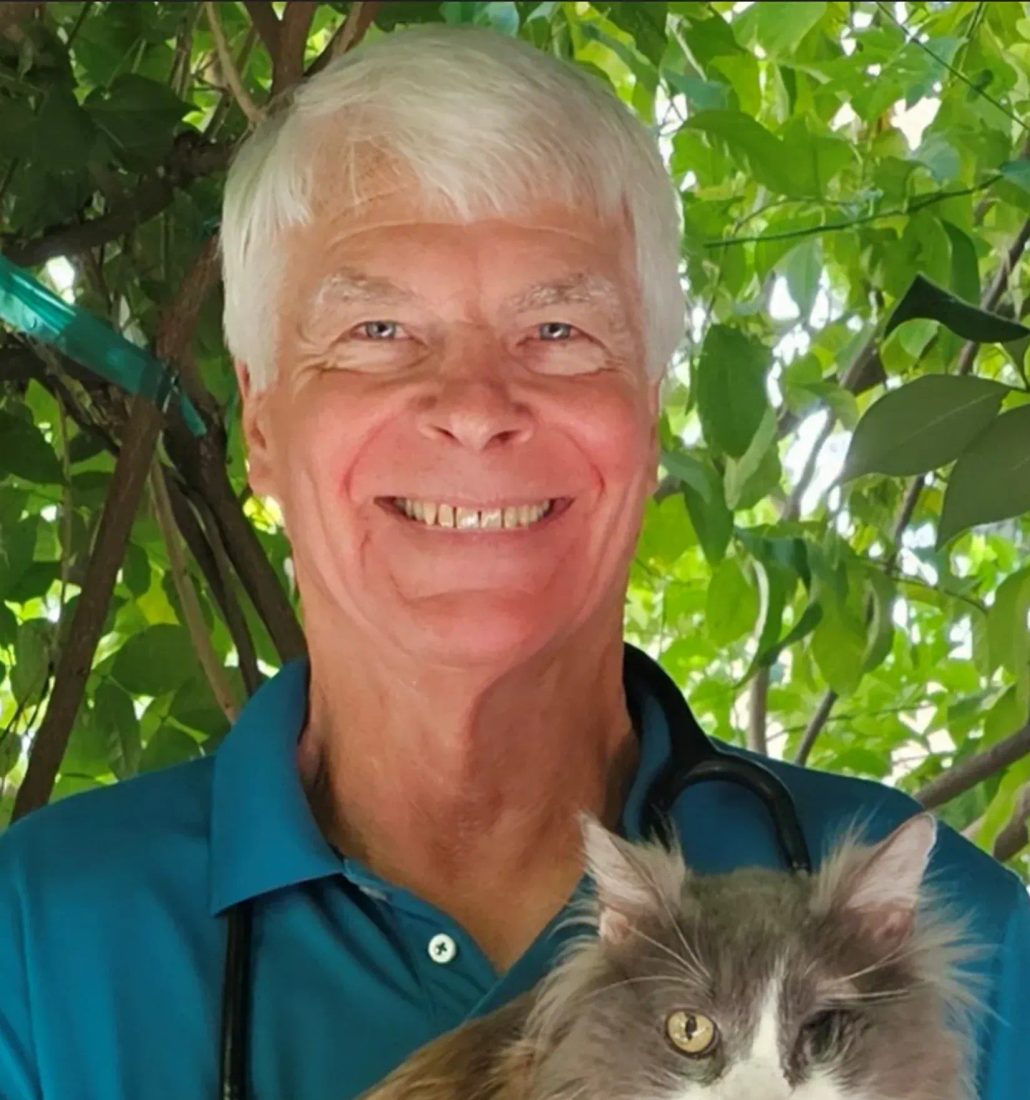
Why Your Cat Gets Angry at the Vet: It's Not Personal
Your cat's anger at the vet isn't because they don't like you—it's a survival instinct. Cats are scent-oriented and highly sensitive to change. A vet visit involves unfamiliar smells, sounds, handling, and potential pain from exams or vaccinations. This can trigger a fight-or-flight response, making your cat seem fractious or aggressive.
- Recognize the triggers. Common stressors include car rides, carrier confinement, strange people, and the smell of other animals. Even a routine checkup can feel overwhelming.
- Understand they're scared, not mean. Aggression is a defense mechanism. Your cat is not being 'bad'—they're terrified. Stay calm and avoid punishing them.
- Use a calm carrier. Leave the carrier out at home with a soft blanket and treats so it becomes a safe space. Cover it with a towel during transport to block visual stimuli.
- Consider pheromone sprays. Spray Feliway in the carrier 15 minutes before the visit. This can help reduce anxiety.
- Talk to our team. At Cats Only Clinic, we're experienced with anxious cats. Let us know ahead of time so we can adjust our approach—slower movements, gentle handling, and a quiet exam room.
For more tips, read our article on [[cat-too-scared-to-go-to-vet|what to do if your cat is too scared to go to the vet]].
Non-Recognition Aggression in Cats: What It Is and How Long It Lasts
Non-recognition aggression occurs when a cat fails to recognize a housemate due to a change in scent—most commonly after a vet visit. The returning cat smells like the clinic, not like family, triggering defensive aggression. This is a temporary but stressful situation.
- Duration. Most cases resolve within 24–48 hours. In some cats, it may last up to a week if scents are not properly reintroduced.
- Immediate separation. Keep the returning cat in a separate room for at least 24 hours. This prevents fights and allows scents to normalize.
- Scent swapping. Rub a towel on each cat and place it near the other's sleeping area. This helps them re-acclimate to each other's smell.
- Gradual reintroduction. After 24–48 hours, allow supervised meetings. Offer high-value treats to create positive associations.
- When to worry. If aggression continues beyond 72 hours or leads to injuries, contact us at Cats Only Clinic for advice.
For more on cat behavior, see our guide on [[why-is-my-cat-suddenly-scared-of-everything|why your cat is suddenly scared of everything]].
How to Calm an Angry Cat at the Vet: Tips That Work
Calming your cat before, during, and after a vet visit can significantly reduce anger and stress. Here's a step-by-step approach that works for most cats.
- Prepare at home. Get your cat used to the carrier days before the visit. Place it in a quiet area with a soft blanket and treats. This reduces the shock of being confined.
- Use pheromone products. Spray Feliway in the carrier and on a towel inside. The synthetic pheromone mimics natural calming signals.
- Keep the carrier covered. During transport, drape a towel over the carrier to block visual stimuli. This helps your cat feel more secure.
- Stay calm yourself. Cats pick up on your emotions. Speak in a low, soothing voice and avoid sudden movements.
- Ask for a quiet exam room. At Cats Only Clinic, we offer a calm environment designed for cats. Let us know your cat is anxious so we can minimize stress.
- Reward afterward. Give your cat a favorite treat or play session after the visit to create a positive association.
For more strategies, check out [[how-to-calm-a-cat-before-vet-visit|how to calm a cat before a vet visit]].
Directions to our cat veterinarian near me from Placer County Superior Court
Start at Placer County Superior Court and head to Cats Only Clinic at 1220 Sunset Blvd, Rocklin, CA 95765.
Preparing Your Cat for a Calmer Vet Visit
Long-term preparation can make vet visits less stressful for both you and your cat. Start these steps weeks before the appointment.
- Carrier training. Leave the carrier out year-round. Put treats and toys inside so your cat associates it with positive experiences.
- Desensitize to handling. Gently touch your cat's paws, ears, and mouth at home. This helps them tolerate exams better.
- Practice car rides. Take short trips in the carrier to get your cat used to the car. Start with just sitting in the parked car, then progress to a short drive.
- Use calming aids. Consider Feliway diffusers at home or a Thundershirt for your cat. These can reduce baseline anxiety.
- Schedule wisely. Book appointments during quieter times, like early mornings or late afternoons. We're open Saturdays at Cats Only Clinic for your convenience.
- Communicate with us. Tell our team about your cat's anxiety. We can adjust our approach, use gentle handling, and offer a calm environment.
For a complete guide, see [[first-cat-vet-visit-checklist|our first cat vet visit checklist]].
Will My Cat Hate Me After the Vet? Understanding Trauma and Trust
A good fit if…
- Your cat is hiding or hissing after the visit but still eats and uses the litter box normally.
- You're willing to give your cat space and time to decompress.
- You can implement calming strategies like scent swapping and pheromone therapy.
Consider another option if…
- Your cat refuses to eat or drink for more than 24 hours after the visit.
- Your cat shows signs of extreme fear, such as urinating or defecating out of the litter box.
- Aggression toward you or other pets is severe or lasts more than a week.
Most cats do not hold grudges. They may be temporarily stressed, but your bond remains strong. If you're concerned, consult our team at Cats Only Clinic for personalized advice.
When to Seek Help for an Angry Cat at the Vet
A good fit if…
- Your cat's aggression is mild and resolves within 48 hours.
- You can manage the behavior with separation and scent swapping.
- Your cat returns to normal eating and grooming quickly.
Consider another option if…
- Aggression leads to injuries or fights that require medical attention.
- Your cat shows signs of severe stress, like hiding for days or refusing to eat.
- You suspect an underlying medical issue, such as pain or illness, that may be causing the aggression.
If you're unsure, reach out to Cats Only Clinic. We can assess your cat's behavior and recommend next steps, including a behavior consultation if needed. According to the American Veterinary Medical Association, persistent aggression may signal an underlying health problem that warrants a veterinary exam.
For details on services and visits, see the main page about cat vet near me.
Frequently asked questions
Why is my cat hissing at another cat after a vet visit?
This is likely non-recognition aggression. Your cat smells different due to clinic scents, so other cats don't recognize them. Separate them for 24–48 hours and swap scents using a cloth rubbed on each cat's cheeks.
How to reduce stress in cats?
Use pheromone diffusers like Feliway, provide hiding spots, maintain a consistent routine, and use positive reinforcement. For vet visits, carrier training and calming aids can help.
What is Tarzan syndrome in cats?
Tarzan syndrome describes a cat that was raised alone and never learned to interact with other cats. These cats may be aggressive toward new cats because they lack social skills. Gradual introductions and patience are key.
What is the 3-3-3 rule of cats?
The 3-3-3 rule is a guideline for cats adjusting to a new home: 3 days to decompress, 3 weeks to learn your routine, and 3 months to feel fully at home. It's a helpful framework for managing expectations.
What is the silent killer of cats?
The term 'silent killer' often refers to feline kidney disease or hyperthyroidism, which can progress without obvious symptoms. Regular vet checkups are crucial for early detection.
Also asked as
- Why is my cat aggressive after a vet visit?
- Why does my cat hiss at other cats after the vet?
- How long does non-recognition aggression last in cats?