
Questions
Cat Bad Breath: Is It a Sign of Dental Disease?
Cat bad breath often signals dental disease, but it can also stem from kidney issues, digestive problems, or mouth infections. A vet exam is the best way to pinpoint the cause and protect your cat's health.
What Causes Bad Breath in Cats?
Bad breath in cats is rarely just a hygiene issue—it's often a sign of an underlying problem. The most common cause is dental disease, which affects up to 85% of cats over three years old. Plaque and tartar buildup can lead to gingivitis, periodontitis, and even tooth root abscesses, all of which produce a foul odor.
Other causes include feline stomatitis, a painful inflammation of the mouth, or kidney disease, which can cause breath that smells like ammonia. Digestive issues, respiratory infections, or even a foreign object stuck in the mouth can also be to blame. In rare cases, conditions like diabetes or oral tumors may be the culprit.
Because the causes range from treatable to serious, a vet visit is the safest way to identify what's behind your cat's bad breath.
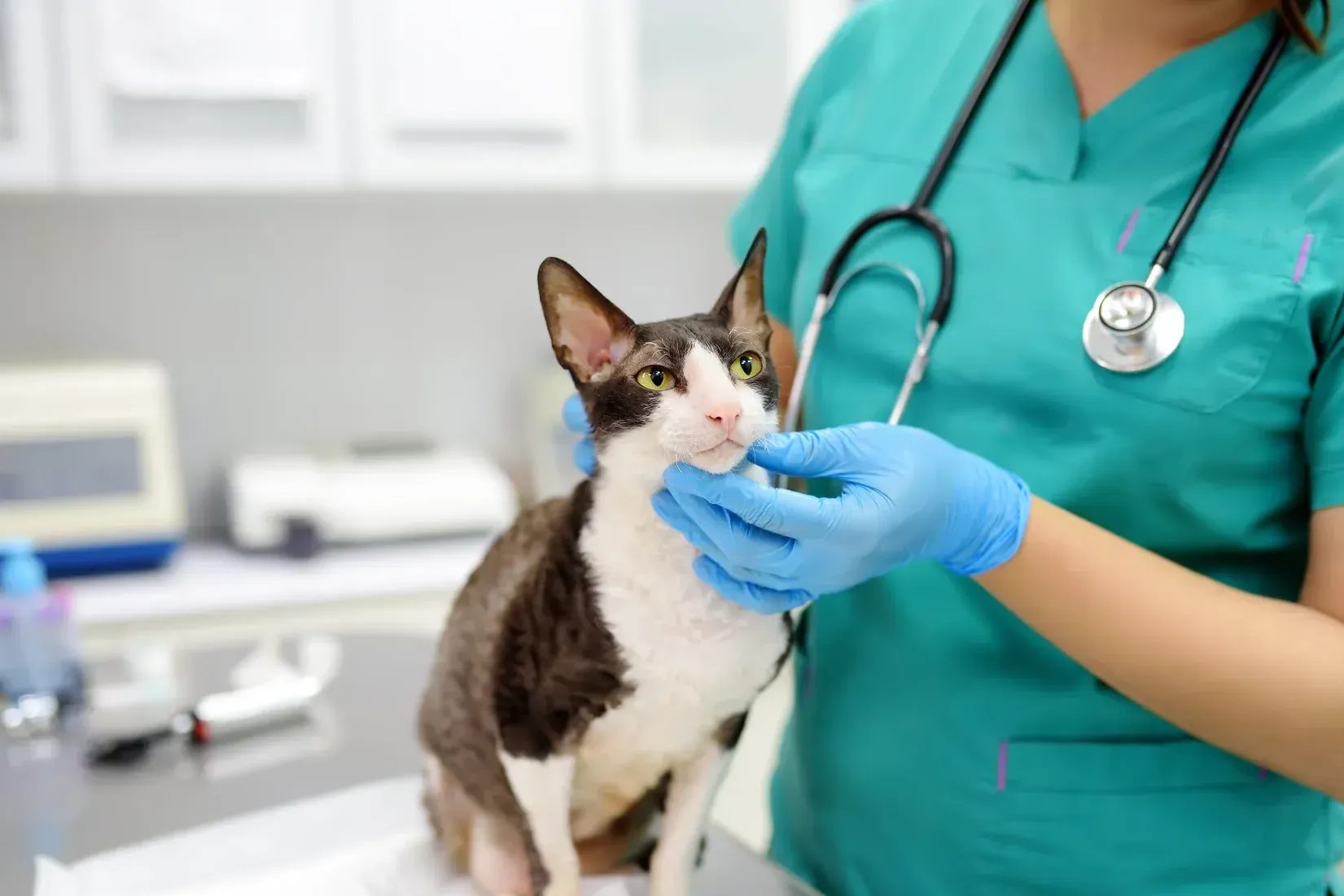


Is Bad Breath Always a Sign of Dental Disease?
A good fit if…
- Your cat's breath is consistently foul—occasional mild odor after eating can be normal, but persistent bad breath warrants attention.
- You notice other signs like red gums, drooling, or pawing at the mouth.
- Your cat is over three years old, as dental disease becomes more common with age.
Consider another option if…
- The bad breath is temporary—for example, after eating fish or a new food, it may resolve on its own.
- Your cat has no other symptoms and is eating, grooming, and acting normally.
Still, bad breath is not always dental disease. It can signal kidney issues, diabetes, or respiratory infections. A quick exam at Cats Only Clinic can rule out these serious conditions and give you peace of mind.
How to Check Your Cat's Mouth for Dental Disease at Home
You can do a quick, gentle check at home to spot signs of dental disease. If your cat resists, stop and call us—never force it.
- Prepare — Choose a calm moment, have treats ready, and wash your hands. Sit your cat on your lap or a stable surface.
- Lift the lip — Gently lift one side of your cat's upper lip to see the teeth and gums. Look for red, swollen, or bleeding gums.
- Check the teeth — Look for yellow-brown tartar, chipped or broken teeth, and any loose teeth. Pay special attention to the back teeth.
- Smell the breath — Foul, rotten, or sweet-smelling breath can indicate infection or dental disease.
- Watch for drooling or pawing — If your cat drools, paws at their mouth, or drops food, these are strong signs of dental pain.
- Note what you find — Write down any concerns and call us to schedule a dental exam. Early treatment prevents more serious issues.
When to See a Vet for Your Cat's Bad Breath
A good fit if…
- The bad breath lasts more than a few days despite at-home care.
- You see other symptoms like drooling, red gums, weight loss, or changes in appetite.
- Your cat seems uncomfortable—hiding, not grooming, or acting lethargic.
Consider another option if…
- The breath improves after a diet change or dental treat trial.
- Your cat is young and otherwise healthy with no other signs.
When in doubt, it's better to err on the side of caution. Bad breath can be an early warning of serious conditions like kidney disease or oral infections. At Cats Only Clinic, we offer thorough exams and can help you decide the best next steps for your cat.
Directions to our cat veterinarian near me from Thunder Valley Casino Resort
Start at Thunder Valley Casino Resort and head to Cats Only Clinic at 1220 Sunset Blvd, Rocklin, CA 95765.
Home Remedies for Cat Bad Breath: What's Safe?
Some home care can help, but it won't fix dental disease. Safe options include:
- Daily brushing — Use a cat-specific toothbrush and toothpaste. Never use human toothpaste.
- Dental treats and toys — Look for products with the Veterinary Oral Health Council (VOHC) seal.
- Water additives — Some are safe, but check with us first.
If bad breath persists, it's time for a professional dental cleaning. Home remedies only mask the problem temporarily.
For details on services and visits, see the main page about cat vet near me.
Sources
Frequently asked questions
Can bad breath in cats be a sign of kidney disease?
Yes, kidney disease can cause breath that smells like ammonia or urine. If your cat's bad breath is accompanied by increased thirst, weight loss, or lethargy, a vet should evaluate kidney function.
What does feline stomatitis breath smell like?
Feline stomatitis often produces a very foul, rotten odor due to severe inflammation and infection in the mouth. It's a painful condition that requires veterinary treatment.
Is it normal for a kitten to have bad breath?
Kittens can have temporary bad breath from teething or diet, but persistent bad breath in a kitten may indicate retained baby teeth, gum infection, or other issues. A vet check is recommended.
How much does a cat dental cleaning cost in Rocklin?
Costs vary based on the cat's needs, including anesthesia, X-rays, and extractions. At Cats Only Clinic, we provide a detailed estimate during the exam. Contact us for a quote.
Can I brush my cat's teeth to fix bad breath?
Regular brushing with cat-safe toothpaste can help prevent plaque buildup, but it won't fix existing dental disease. If your cat has bad breath, a vet exam should come first.
Also asked as
- Why does my cat's breath smell so bad?
- Is bad breath in cats always dental disease?
- How can I tell if my cat has dental problems?