
Questions
Cat Hiding Signs of Pain: What to Watch For
Cats often hide when in pain as an instinct to avoid predators. Look for additional signs like changes in appetite, grooming, litter box habits, and vocalizations. If your cat hides more than usual with these signs, a vet visit is recommended.
Why Do Cats Hide When They're in Pain?
In the wild, a cat that shows weakness becomes a target. That instinct is so strong that even our pampered house cats will instinctively hide when they feel unwell or are in pain. It's a survival mechanism: if you can't see them hurting, you can't see them as vulnerable. So when your cat starts spending more time under the bed, in a closet, or behind the sofa, it's often their way of saying, "I don't feel right."
At Cats Only Clinic in Rocklin, CA, we see this all the time. Cats are masters at masking pain, and hiding is one of the first clues. It's not just about being shy—it's a deliberate attempt to avoid attention. This behavior can be triggered by anything from dental disease and arthritis to internal issues like kidney disease. The American Association of Feline Practitioners emphasizes that hiding is a key sign of pain or illness in cats. If your cat's hiding pattern changes—more frequent, longer, or in new spots—it's time to pay attention.
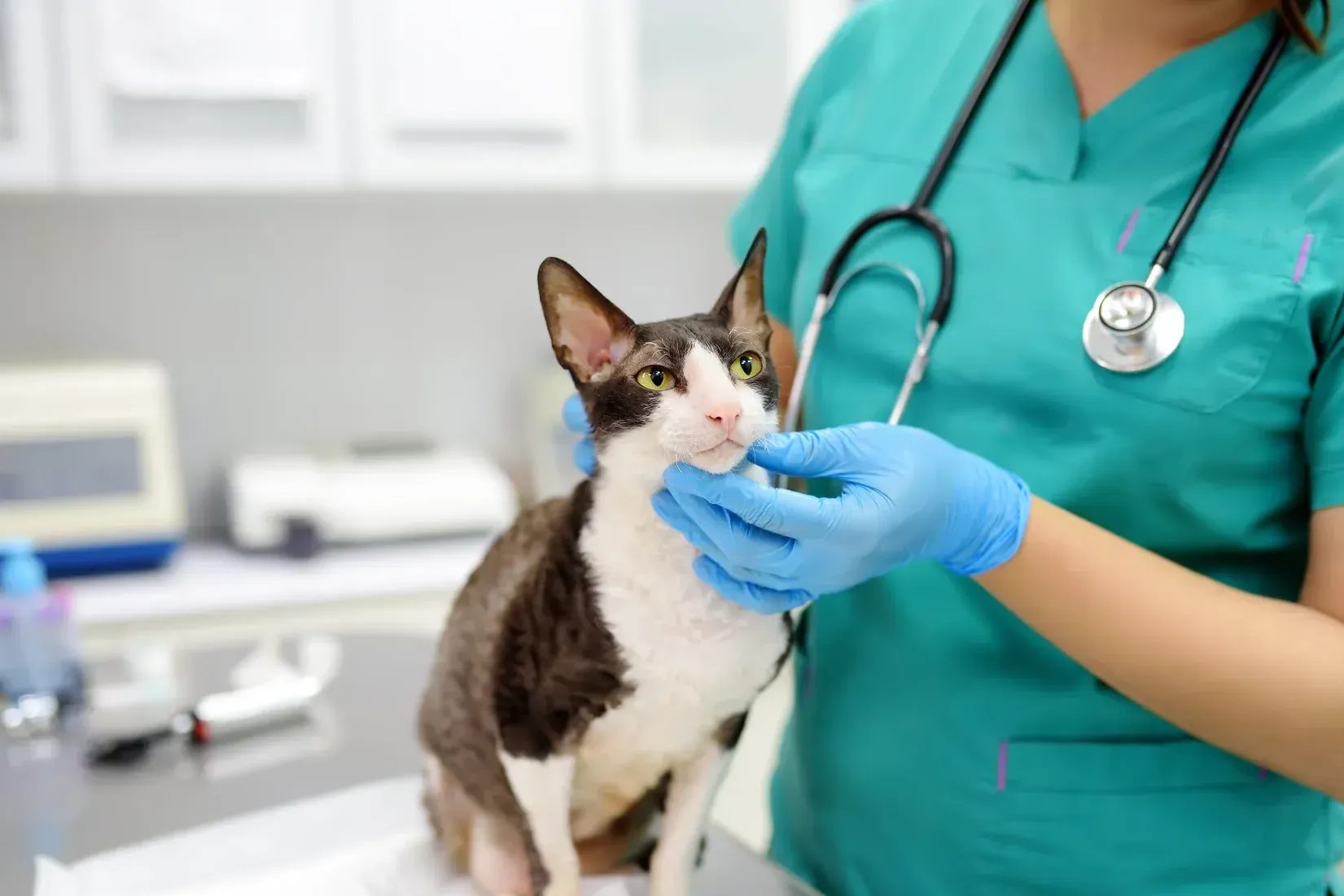

Pain-Related Hiding vs. Normal Cat Behavior
Not all hiding is a red flag. Many cats are naturally shy or enjoy quiet spots. The key is to look at the context and accompanying behaviors. Use this comparison to help you decide:
| Behavior | Normal Hiding | Pain-Related Hiding |
|---|---|---|
| Duration | Brief (an hour or two), then your cat comes out for food, play, or affection. | Prolonged (most of the day), often refusing to come out even for meals. |
| Response to you | May come out when called or offered a treat; still interacts. | Ignores you, may hiss or swat if approached; seems withdrawn. |
| Posture | Relaxed, loafing, or sleeping normally. | Tense, hunched, head down, ears flattened, or hiding in a tight ball. |
| Other signs | Normal appetite, grooming, litter box use, and play. | Decreased appetite, poor grooming, litter box accidents, or vocalizing. |
| Triggers | Loud noises, new visitors, or changes in routine. | No obvious trigger; or persists after the trigger is gone. |
If you see multiple signs from the right column, it's likely pain-related. Don't wait—contact us at Cats Only Clinic to schedule an exam.
Common Signs That Accompany Hiding in Painful Cats
When a cat hides due to pain, they rarely hide alone. Watch for these other signs that often go hand-in-hand with hiding. If you notice any combination, it's time to act.
- Changes in appetite or thirst: Your cat may eat less, drink less, or completely stop eating. This is a strong indicator of pain or illness.
- Poor grooming: A painful cat often stops grooming. Look for a dull, matted coat, dandruff, or a greasy appearance.
- Litter box issues: Pain can make it hard to get in and out of the box, or your cat may associate the box with pain (e.g., from urinary tract issues). Accidents outside the box are common.
- Vocalization changes: Some cats become quiet, while others may yowl, hiss, or growl more than usual when approached or touched.
- Changes in posture or movement: A hunched back, stiff gait, limping, or reluctance to jump onto furniture are classic pain signs. Our guide on when to take your cat to the vet for limping covers this in detail.
- Aggression or irritability: A normally sweet cat may hiss, bite, or swat when you try to pet or move them. Pain makes them defensive.
What to Do If Your Cat Is Hiding and You Suspect Pain
If you've noticed hiding plus any of the signs above, here's your action plan. Don't panic, but don't delay either.
- Observe carefully: Note when the hiding started, how long it lasts, and what other signs you see. This information helps your vet.
- Create a safe space: Keep your cat's hiding spot accessible. Provide food, water, and a litter box nearby so they don't have to come out if they're in pain.
- Avoid forcing interaction: Don't drag your cat out or try to pick them up. This can cause more stress or injury. Instead, speak softly and offer treats to encourage them to come out on their own.
- Call your vet: Contact Cats Only Clinic at (916) 435-9300 to describe the situation. We'll help you decide if an urgent visit is needed or if we can schedule a same-day appointment. We accept walk-ins and offer Saturday hours for your convenience.
- Prepare for the visit: If you have a carrier, place it near the hiding spot with a blanket or towel that smells like home. Our team can give tips on how to calm a cat before a vet visit.
Directions to our cat veterinarian near me from Antelope Creek
Start at Antelope Creek and head to Cats Only Clinic at 1220 Sunset Blvd, Rocklin, CA 95765.
When to See a Vet for a Hiding Cat
A good fit if…
- Your cat has been hiding for more than 24 hours and shows other signs like not eating or drinking.
- You notice any of the checklist items above, especially litter box issues or limping.
- Your cat is normally social and suddenly becomes withdrawn.
- Your cat is elderly or has a known health condition like kidney disease or arthritis.
Consider another option if…
- Your cat hides briefly after a loud noise or visitor and then returns to normal within a few hours.
- Your cat is naturally shy and has always had favorite hiding spots, with no other changes in behavior.
- You are unsure—it's always better to call and ask. Our team at Cats Only Clinic can help you decide over the phone.
If you're still unsure, trust your instincts. Cats hide pain well, and it's better to have a professional check than to wait. We're located at 1220 Sunset Blvd, Rocklin, CA 95765 and open Monday through Saturday. Call us at (916) 435-9300 or stop by. We're here for your cat.
For details on services and visits, see the main page about cat vet near me.
Sources
Frequently asked questions
Can a cat hide pain even if they seem normal otherwise?
Yes, cats are experts at hiding pain. They may hide only when they feel it's safe, or they may hide all the time. If you notice any change in their behavior, it's worth a vet check.
How long can a cat hide before it becomes an emergency?
If your cat hasn't eaten or drunk for 24 hours, or if they are hiding and showing signs of distress like rapid breathing or inability to urinate, seek immediate veterinary care. For less urgent cases, schedule an appointment within a day or two.
What should I do if my cat won't come out of hiding to go to the vet?
Try luring them with a favorite treat or food. If that doesn't work, gently place a towel over them and pick them up carefully, supporting their body. Our team can also offer advice over the phone. We're experienced with fearful cats and can help make the visit less stressful.
Also asked as
- Why does my cat hide when it's in pain?
- How can I tell if my cat is hiding because of pain or just being shy?
- What other signs of pain should I look for if my cat is hiding?