
Questions
How Can I Help My Cat Live Longer? Expert Advice
You can help your cat live longer by feeding a high-quality wet food, keeping them indoors, maintaining a healthy weight, scheduling annual wellness exams, and spaying or neutering. These steps address the most common causes of early death and support a long, healthy life.
Daily Habits That Help Your Cat Live Longer
Small, consistent daily habits can significantly extend your cat's life. Focus on these five actions to support their health every day.
- Feed a moisture-rich diet. Offer high-quality wet food as the main meal to support kidney and urinary tract health. Dry food can be a supplement, but wet food provides essential hydration.
- Provide fresh water daily. Clean and refill water bowls each day. Consider a cat water fountain to encourage drinking, which helps prevent kidney disease.
- Brush your cat's teeth. Dental disease is common in cats and can lead to heart, kidney, and liver problems. Use a vet-approved toothpaste and brush a few times per week.
- Engage in interactive play. Spend at least 10–15 minutes daily playing with wand toys or laser pointers to keep your cat active and mentally stimulated. This helps maintain a healthy weight and reduces stress.
- Monitor weight and body condition. Check your cat's body condition score monthly. A healthy weight reduces risks of diabetes, arthritis, and other chronic conditions.




Routine Vet Care: A Key to Helping Your Cat Live Longer
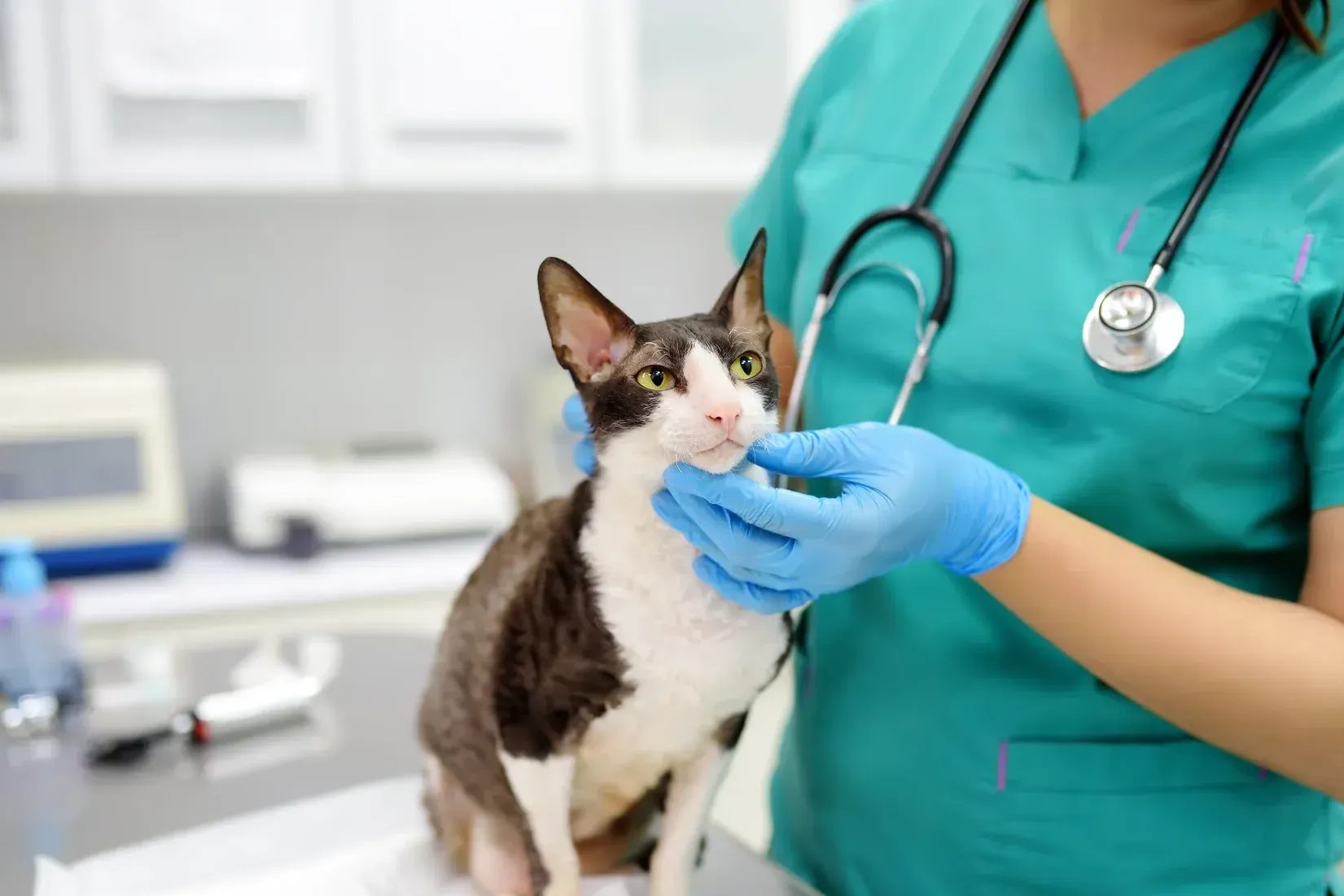
Regular veterinary visits are essential for early detection and prevention of diseases that shorten a cat's life. At our Rocklin clinic, we recommend a proactive approach.
- Schedule an annual wellness exam. Even if your cat seems healthy, a yearly checkup allows us to assess weight, dental health, heart, and organ function. Cats hide illness well, so exams catch issues early.
- Stay current on vaccinations. Core vaccines protect against life-threatening diseases like distemper and rabies. We tailor the schedule to your cat's lifestyle and risk factors.
- Include a dental cleaning. Professional dental cleanings under anesthesia remove plaque and tartar that cause periodontal disease. This prevents bacteria from entering the bloodstream and damaging organs.
- Run baseline bloodwork. Starting around age 7–8, annual blood tests can detect early signs of kidney disease, thyroid issues, and diabetes. Early intervention can add years to your cat's life.
- Discuss parasite prevention. Year-round protection against fleas, ticks, and worms prevents diseases that can be fatal. We recommend products based on your cat's specific needs.
We accept walk-ins at our Rocklin location, but appointments are recommended to ensure timely care. Call us at (916) 435-9300 to schedule.
What Science Says About Helping Your Cat Live Longer
Research shows that several evidence-based factors can extend a cat's lifespan. Understanding these can guide your daily choices.
- Indoor living. Studies consistently show indoor cats live significantly longer—often 12–18 years—compared to outdoor cats, who average 2–5 years due to accidents, predators, and disease.
- Healthy weight maintenance. Obesity is linked to diabetes, arthritis, and heart disease. Keeping your cat at a healthy weight through diet and activity reduces these risks.
- Spaying or neutering. Altered cats have lower risks of reproductive cancers and infections, and they are less likely to roam, reducing injury risk.
- High-quality nutrition. A diet with high moisture content, animal-based protein, and minimal fillers supports kidney function and overall health. The American Association of Feline Practitioners recommends wet food as a primary component.
How Spaying or Neutering Can Help Your Cat Live Longer
Spaying or neutering is one of the most effective steps you can take to help your cat live longer. The procedure eliminates or reduces risks of several life-threatening conditions.
- Eliminates reproductive cancers. Spaying removes the ovaries and uterus, preventing ovarian and uterine cancers. Neutering eliminates testicular cancer risk.
- Reduces mammary cancer risk. Spaying before the first heat cycle dramatically lowers the chance of mammary tumors, which are often malignant in cats.
- Prevents uterine infections. Pyometra, a life-threatening infection of the uterus, is common in unspayed females and requires emergency surgery.
- Decreases roaming behavior. Altered cats are less likely to roam, reducing risks of fights, accidents, and infectious diseases like FIV and FeLV.
- Supports population control. Preventing unwanted litters helps reduce the number of homeless cats, which often suffer from poor health and shorter lives.
We perform spaying and neutering at our Rocklin clinic. Contact us to discuss timing and care. For more on this topic, see our guide on spay and neuter costs and benefits.
Directions to our cat veterinarian near me from Jessup University
Start at Jessup University and head to Cats Only Clinic at 1220 Sunset Blvd, Rocklin, CA 95765.
Nutrition Tips to Help Your Cat Live Longer
What you feed your cat directly impacts their longevity. Focus on high-quality, moisture-rich foods and avoid fillers.
| Dietary Factor | Recommendation | Why It Matters |
|---|---|---|
| Primary food type | Wet food (canned or pouched) | Provides hydration, supports kidney and urinary health |
| Protein source | Animal-based (chicken, fish, turkey) | Cats are obligate carnivores; plant proteins are less digestible |
| Moisture content | 70–80% or higher | Prevents dehydration and reduces risk of kidney disease |
| Avoid | Fillers, artificial colors, preservatives | Low nutritional value; can contribute to obesity and allergies |
| Supplements (consult vet) | Omega-3 fatty acids, probiotics | Support joint health, immune function, and digestion |
Always transition to new foods gradually over 7–10 days. Ask us for personalized recommendations during your next visit.
Indoor vs. Outdoor: Which Helps Your Cat Live Longer?
Deciding whether your cat should go outdoors is a critical choice for longevity. Here's a comparison to help you decide.
| Factor | Indoor Living | Outdoor Access |
|---|---|---|
| Average lifespan | 12–18 years | 2–5 years |
| Risk of accidents | Low | High (cars, predators, falls) |
| Disease exposure | Minimal | High (FIV, FeLV, parasites) |
| Exercise & enrichment | Requires owner effort (toys, climbing) | Natural, but unpredictable |
| Quality of life | High with proper enrichment | May be higher for some cats |
For most cats, indoor living with supervised outdoor time (e.g., a catio or harness walks) offers the best balance of safety and enrichment. We can help you create a plan that suits your cat's personality.
Can You Help Your Cat Live to 20? Here's What It Takes
A good fit if…
- Your cat is already healthy and you're committed to preventive care.
- You can provide a stress-free, enriched indoor environment.
- You're willing to invest in regular vet visits and high-quality nutrition.
Consider another option if…
- Your cat has a chronic condition that may limit lifespan.
- You're unable to commit to the daily care and expense required.
Reaching 20 years is possible but requires exceptional care. Focus on the basics: indoor living, annual exams, dental health, and a balanced diet. Every year of quality life is a victory.
Signs Your Cat Is Happy and on Track for a Long Life
Use this checklist to assess your cat's well-being. A happy, healthy cat has a better chance at a long life.
- Healthy appetite — Eats regularly and maintains a stable weight.
- Good grooming — Coat is shiny, clean, and free of mats or bald spots.
- Active and playful — Engages in play and explores their environment.
- Normal litter box habits — Uses the box consistently with no straining or blood.
- Bright eyes and clean ears — No discharge, redness, or odor.
- Content demeanor — Purrs, kneads, and seeks interaction when comfortable.
If you notice any changes in these areas, schedule a checkup. Early detection is key to helping your cat live longer.
For details on services and visits, see the main page about cat vet near me.
Sources
Frequently asked questions
How do I give my cat a better life?
Focus on daily enrichment: provide interactive toys, scratching posts, and perches. Feed a balanced diet, keep them indoors, and schedule regular vet visits. A stimulating environment reduces stress and supports longevity.
Is water with sugar good for cats?
No, sugar water is not recommended for cats. Cats do not need sugar, and it can cause digestive upset or contribute to obesity. Always provide fresh, clean water instead.
What is the 3-3-3 rule of cats?
The 3-3-3 rule is a guideline for helping a rescue cat adjust to a new home: 3 days to decompress, 3 weeks to learn routines, and 3 months to feel fully at home. It's about acclimation, not longevity.
Why can cats live for so long?
Cats have efficient metabolisms, small body size, and strong immune systems. Domestication and veterinary care have also extended their lifespans. Genetics, diet, and environment play major roles.
Do boy or girl cats live longer?
Studies suggest female cats may live slightly longer on average, but the difference is small. Spaying and neutering have a greater impact on lifespan than sex.
Also asked as
- How do I make my cat live longer?
- What can I do to extend my cat's life?
- How to increase my cat's lifespan?