
Questions
How to Fix Tarzan Syndrome in Cats
Tarzan syndrome occurs when a cat hasn't learned proper social skills from other cats, leading to over-attachment or aggression. Fix it by gradually introducing your cat to other cats, providing environmental enrichment, and using positive reinforcement. For severe cases, consult a veterinarian.
Step-by-Step Plan to Fix Tarzan Syndrome
To fix Tarzan syndrome in cats, follow these actionable steps. Patience and consistency are key.
- Create a safe space: Set up a separate room for your cat with food, water, litter box, and toys. This gives them a secure base to retreat to.
- Gradual introductions: If you have another cat, start with scent swapping using blankets or toys. Then, allow visual contact through a baby gate or cracked door. Finally, supervise short face-to-face meetings, rewarding calm behavior with treats.
- Environmental enrichment: Add vertical spaces like cat trees, shelves, and window perches. Provide puzzle feeders and interactive toys to reduce stress and build confidence.
- Positive reinforcement: Reward your cat with treats and praise when they show calm or curious behavior toward other cats. Never punish aggression, as it increases anxiety.
- Consistent routine: Keep feeding, play, and rest times consistent. Predictability helps your cat feel secure and reduces territorial behavior.
- Monitor progress: Keep a journal of interactions. Note improvements and setbacks. If aggression or fear escalates, pause introductions and consult a vet.



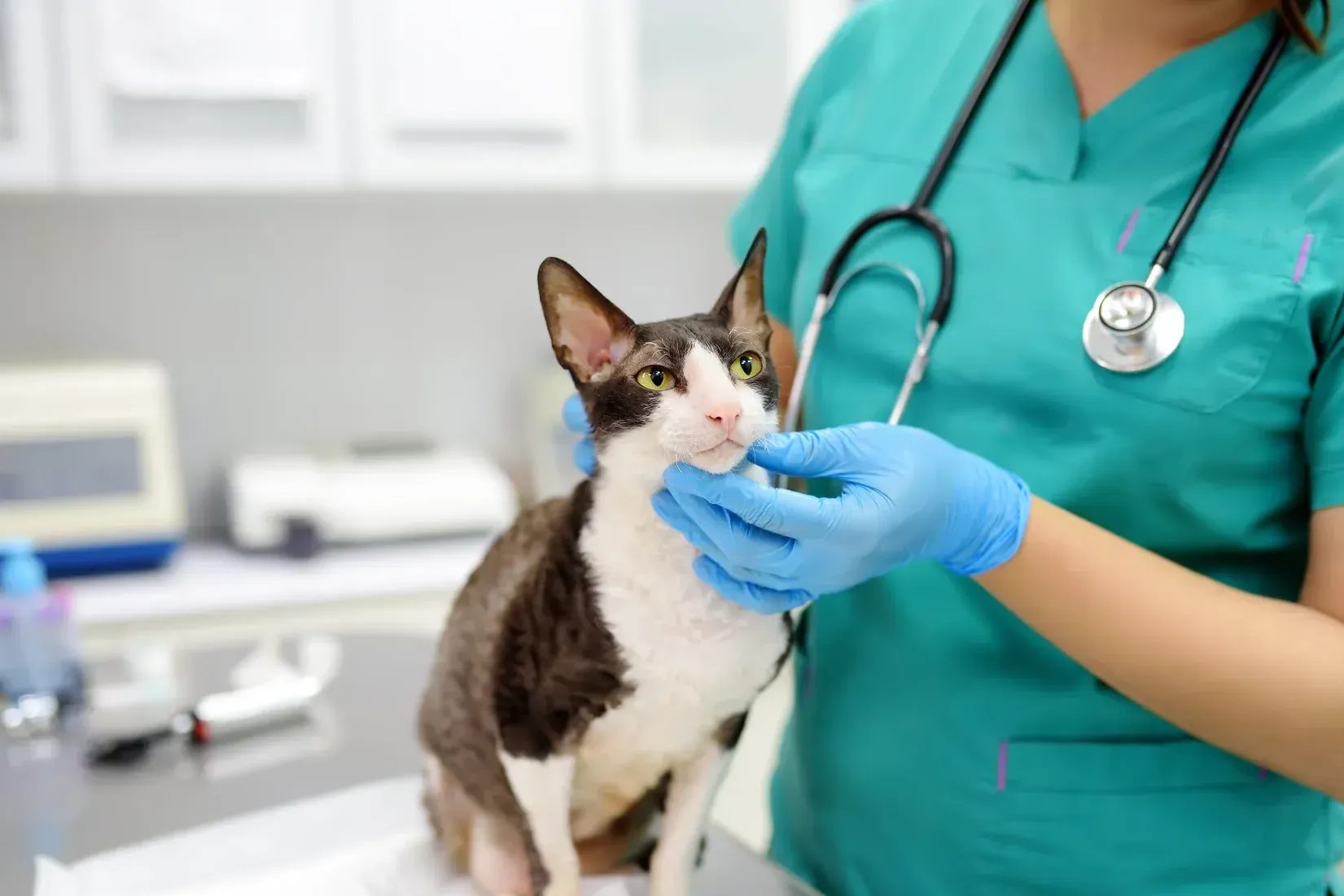
What Is Tarzan Syndrome and What Causes It?
Tarzan syndrome is a behavioral condition in cats who were raised without contact with other cats, often as single kittens. They lack essential social skills, leading to either excessive clinginess toward humans or aggression toward other cats. The term was popularized by cat behaviorist Jackson Galaxy.
Causes include early separation from the mother, being a single kitten, or lack of exposure to other cats during the critical socialization period (2–7 weeks of age). These cats may see other cats as threats rather than companions.
Understanding this helps you tailor your approach. For more on cat behavior, see our guide on why is my cat suddenly scared of everything.
Recognizing Tarzan Syndrome: Key Behaviors to Watch For
Before trying fixes, confirm your cat's behavior matches Tarzan syndrome with this checklist:
- Excessive clinginess: Your cat follows you everywhere and becomes anxious when you're out of sight.
- Aggression toward other cats: Hissing, swatting, or attacking when introduced to another cat.
- Fear of other cats: Hiding, freezing, or fleeing when seeing another cat.
- Over-grooming or destructive behavior: Signs of stress when separated from you or when near other cats.
- Inappropriate elimination: Urinating or defecating outside the litter box due to stress.
If your cat shows several of these signs, they likely have Tarzan syndrome. For help with vet visits, read my cat is too scared to go to the vet.
When to See a Vet for Tarzan Syndrome
A good fit for home fixes if…
- Your cat shows mild to moderate signs like occasional hissing or clinginess.
- You can dedicate time daily for gradual introductions and enrichment.
- Your cat has no underlying medical issues causing stress.
Consider a vet visit if…
- Your cat shows severe aggression (biting, drawing blood) or extreme fear.
- Home fixes don't show improvement after 2–3 weeks.
- You notice other symptoms like weight loss, vomiting, or lethargy.
At Cats Only Clinic in Rocklin, CA, we offer behavioral consultations and can rule out medical causes. We're open Monday through Saturday; call us at (916) 435-9300 or visit us at 1220 Sunset Blvd. We also accept CareCredit for payment flexibility. For more on vet costs, see how much does it cost to put a cat to sleep at petsmart (note: this is for end-of-life care, not behavioral issues).
Directions to our cat veterinarian near me from Placer County Superior Court
Start at Placer County Superior Court and head to Cats Only Clinic at 1220 Sunset Blvd, Rocklin, CA 95765.
How Long Until You See Results?
Timelines vary by cat and severity. Use this table as a general guide:
| Stage | Typical Timeframe | What to Expect |
|---|---|---|
| Initial adjustment | 1–2 weeks | Your cat settles into a safe space; may still show anxiety. |
| Scent swapping | 1–2 weeks | Reduced hissing or avoidance when smelling other cat. |
| Visual contact | 2–4 weeks | Calmer during supervised visual meetings. |
| Face-to-face meetings | 4–8 weeks | Short, positive interactions; may still need supervision. |
| Full integration | 2–6 months | Coexisting peacefully; occasional minor squabbles normal. |