
Questions
What Is the 3-3-3 Rule for Stray Cats?
The 3-3-3 rule for stray cats is a simple timeline for a newly adopted cat's adjustment: 3 days to decompress, 3 weeks to learn your routine, and 3 months to feel at home. It guides owners on what to expect and how to help.
What Is the 3-3-3 Rule for Cats?
The 3-3-3 rule is a simple framework that describes how long it takes an adopted cat to adjust to a new home: 3 days to decompress, 3 weeks to learn your routine, and 3 months to feel fully at home. It's a roadmap for both you and your new cat, especially if you've brought in a stray or feral cat.
- 3 Days – Decompression: Your cat may feel scared, shy, or overwhelmed. They might hide, not eat much, or avoid interaction. Give them space and a quiet room.
- 3 Weeks – Learning the Routine: Your cat starts to understand feeding times, where the litter box is, and your daily rhythm. They may begin to come out and explore more.
- 3 Months – Feeling at Home: By now, your cat should show their true personality, seek your attention, and feel secure in their new environment. This is when the bond really forms.
This rule isn't a strict schedule—every cat is different. But it gives you a realistic expectation and helps you be patient. If you're adopting a stray, remember that their past experiences may make the timeline longer.



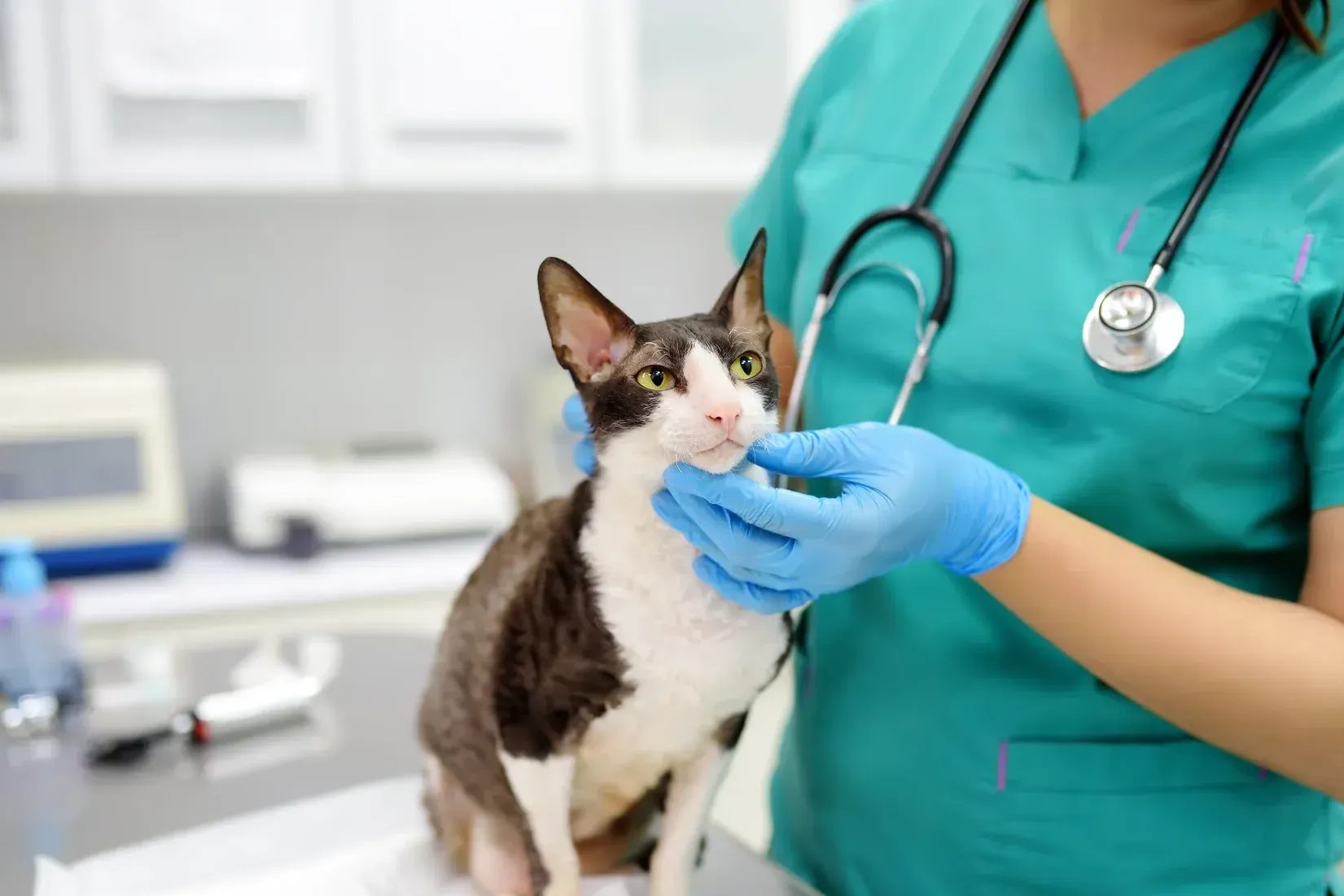

The 3-3-3 Rule Explained: Days, Weeks, and Months
Here's a detailed breakdown of what to expect in each phase of the 3-3-3 rule, along with what you can do to help your cat settle in.
| Phase | What Your Cat Feels | Behaviors You Might See | What You Should Do |
|---|---|---|---|
| First 3 Days | Scared, overwhelmed, uncertain | Hiding, not eating, avoiding contact, maybe hissing | Set up a safe room with food, water, litter box, and a cozy bed. Don't force interaction. |
| First 3 Weeks | Curious, beginning to trust | Coming out to explore, eating normally, using the litter box, maybe allowing pets | Stick to a routine, offer treats, play with wand toys, and let your cat approach you. |
| First 3 Months | Confident, bonded | Seeking attention, playing, showing affection, claiming their space | Continue positive reinforcement, introduce new areas gradually, and enjoy your new companion. |
Remember, the 3-3-3 rule is a guideline, not a guarantee. Some cats adjust faster, while others—especially those with a feral background—may need more time. Patience is key.
How to Help Your Cat Adjust: A 3-3-3 Action Plan
Helping your new cat adjust using the 3-3-3 rule involves practical steps at each stage. Here's a clear action plan.
- Set Up a Safe Room: Choose a quiet room with a door. Place a litter box, food and water bowls, scratching post, and a hiding spot like a cardboard box. This gives your cat a secure base.
- Let Them Decompress: For the first 3 days, don't force interaction. Visit the room regularly, speak softly, and let your cat come to you. Keep the environment calm and predictable.
- Establish a Routine: Feed at the same times each day, clean the litter box daily, and spend quiet time in the room. Routine builds trust.
- Gradual Introduction: After a few days, open the door and let your cat explore the rest of the house at their own pace. Supervise and provide escape routes.
- Build Trust with Play: Use wand toys and treats to create positive associations. Let your cat initiate contact. Never force petting or picking up.
- Be Patient and Consistent: Follow the 3-3-3 timeline, but adjust to your cat's pace. Celebrate small steps like coming out for food or allowing a gentle pet.
Stray vs. Feral: Which Cat Are You Bringing Home?
Knowing whether you've found a stray or a feral cat is crucial because it shapes your approach. Learn the important distinction between stray cats and feral cats.
| Trait | Stray Cat | Feral Cat |
|---|---|---|
| Socialization | Was once socialized to humans, may be lost or abandoned | Never socialized, born and raised without human contact |
| Behavior | May approach cautiously, may allow touch, may meow | Avoids humans, hides, hisses or growls, won't approach |
| Body Language | May have relaxed posture, tail up, eye contact | Crouched, tail tucked, ears flat, no eye contact |
| Activity | Often active during the day, may be seen near homes | Mostly nocturnal, avoids people |
| Adoption Potential | High—can adapt to indoor life with time | Low—may never be fully comfortable indoors |
If you're unsure, observe from a distance. A stray is more likely to approach you or respond to a gentle voice. A feral cat will likely flee. This distinction helps you decide whether to bring them inside or consider TNR.
Directions to our cat veterinarian near me from Placer County Superior Court
Start at Placer County Superior Court and head to Cats Only Clinic at 1220 Sunset Blvd, Rocklin, CA 95765.
Found a Stray Cat? Here's Your First-Step Checklist
If you find a stray cat, your first steps can make a huge difference. Here's what to do right away.
- Assess Safety: Approach slowly and calmly. If the cat seems friendly, you can try to contain them in a carrier or a secure room. If they're aggressive or terrified, don't risk injury—contact a local rescue for help.
- Check for ID: Look for a collar and tags. If possible, take the cat to a vet or shelter to scan for a microchip.
- Quarantine: Keep the cat separate from other pets for at least a few days to prevent the spread of disease. Use a spare room or bathroom.
- Provide Basics: Set up a litter box, fresh water, and food. A quiet, warm space is essential.
- See a Vet: Schedule a vet visit as soon as possible. The vet can check for health issues, start vaccinations, and discuss spay/neuter and microchipping.
- Decide on Adoption or TNR: If the cat is socialized, consider adoption. If feral, look into Trap-Neuter-Return (TNR) programs.
Can a Stray or Feral Cat Become a Happy House Cat?
A good fit if…
- The cat is a stray—socialized but lost—and shows signs of wanting human contact.
- You have patience and can give them time, space, and love to feel at home.
- You can provide a safe room and gradually introduce them to your home.
Consider another option if…
- The cat is truly feral—unsocialized—and shows extreme fear or aggression.
- You expect a quick turnaround; feral cats may take months or years to trust.
- You have small children or other pets that could stress the cat further.
How to decide: Evaluate the cat's behavior honestly. Strays often adapt well with the 3-3-3 rule. Ferals may be happier in a managed outdoor colony through TNR. If you're unsure, consult a vet or a local rescue for guidance.
Vet Care for Your New Cat: What to Do and When
Bringing a stray or feral cat home means prioritizing their health. Here's a checklist for vet care.
- Schedule a vet visit within the first week: A full exam checks for parasites, infections, and overall health.
- Start vaccinations: Core vaccines protect against common feline diseases. Your vet will advise on the right schedule.
- Plan spay/neuter: This prevents unwanted litters and has health benefits. Costs vary, but low-cost clinics may be available.
- Microchip your cat: A microchip greatly increases the chance of being reunited if your cat ever gets lost.
- Test for FeLV/FIV: These serious viruses are more common in strays. Early detection is key.
- Discuss parasite prevention: Fleas, ticks, and worms are common in outdoor cats. Your vet can recommend safe treatments.
At Cats Only Clinic in Rocklin, our team is experienced with strays and ferals. We offer wellness exams, vaccinations, dental care, and surgery. Call us at (916) 435-9300 to schedule an appointment. We're open Monday through Saturday.
TNR and Community Cat Programs: What You Should Know
Trap-Neuter-Return (TNR) is a humane way to manage stray and feral cat populations. Here's how it works and how you can help.
- Understand TNR: Cats are humanely trapped, taken to a vet for spay/neuter and vaccinations, then returned to their outdoor home. This stabilizes the population and improves their health.
- Find a local TNR program: Many animal shelters and rescue groups offer TNR services or can point you to resources in Rocklin, Roseville, and nearby areas.
- Get involved: You can volunteer to trap, transport, or foster cats. Donations of food and supplies are often needed.
- Contact us for guidance: Our team can advise on TNR and connect you with local resources. Call (916) 435-9300.
For details on services and visits, see the main page about cat vet near me.
Sources
Frequently asked questions
What to do with a stray cat I can't keep?
If you can't keep a stray cat, check for a microchip, contact local shelters and rescue groups, and post on community social media. You can also ask your vet about TNR programs if the cat is feral.
How to adopt a stray cat reddit?
Reddit communities like r/CatAdvice often share personal experiences with the 3-3-3 rule. For structured advice, follow the 3-3-3 timeline and consult a vet for health checks.
Can a stray cat become a house cat?
Yes, most stray cats can adapt to indoor life with time and patience. The 3-3-3 rule helps, but some cats may take longer. Provide a safe room and gradual introductions.
How do you know if a stray cat is attached to you?
Signs include following you around, rubbing against you, purring, kneading, and seeking your attention. These behaviors show trust and bonding.
Will feral cats use a litter box?
Feral cats may not instinctively use a litter box, but with patience and the right setup, many can learn. Use a fine-grained litter and keep it clean.
Also asked as
- 3-3-3 rule cats reddit
- 333 rule for stray cats reddit
- 3-3-3 rule for cats pdf