
Questions
What Is the Average Lifespan of a Cat? A Complete Guide
The average lifespan of a domestic cat is 12 to 18 years, with many indoor cats living into their late teens or early twenties. Proper care, nutrition, and regular veterinary checkups can significantly extend your cat's life.
What Is the Average Lifespan of a Cat?
The average lifespan of a domestic cat typically ranges from 12 to 18 years, though many well-cared-for cats live into their early twenties. This range is a general guideline; individual lifespans vary based on factors like genetics, lifestyle, and the quality of veterinary care they receive. A cat that lives to 20 or beyond is not unheard of, especially when they receive consistent, preventive healthcare.
It's important to think of a cat's life in stages. Kittens (0–1 year) grow rapidly and need frequent vet visits for vaccinations and spaying/neutering. Adult cats (1–10 years) are in their prime, while senior cats (11 years and older) require more attentive monitoring for age-related conditions like kidney disease, hyperthyroidism, and dental disease. Understanding these stages helps you provide the right care at the right time.
At our cats-only clinic in Rocklin, we see many cats living well past 15 years with proper care. Regular checkups, a healthy diet, and a loving home are the cornerstones of a long, happy life for your feline companion.
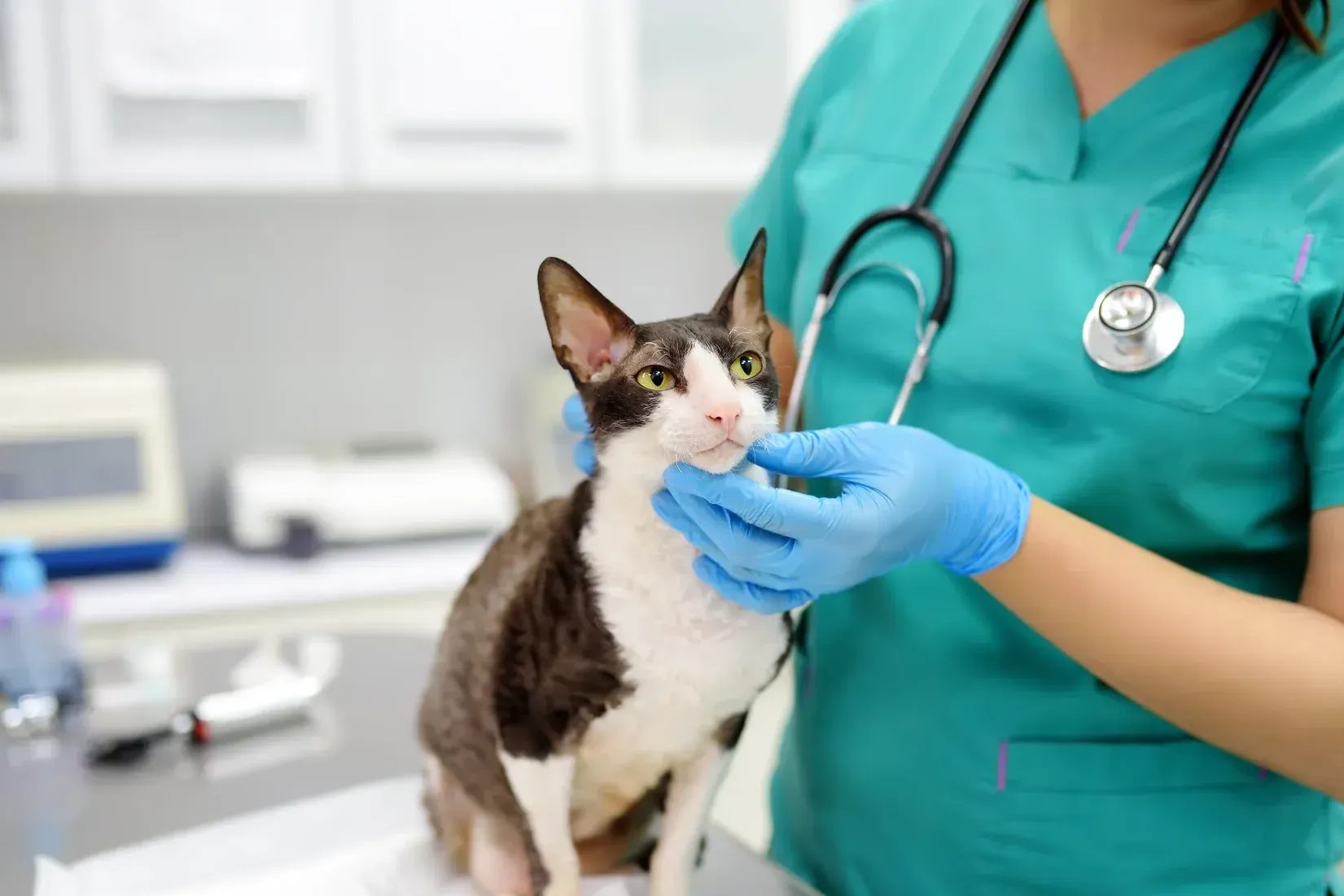

How to Help Your Cat Live a Longer, Healthier Life
You can take several practical steps to maximize your cat's lifespan. Follow this checklist from our team at Cats Only Clinic.
- Schedule annual veterinary checkups. Regular exams catch early signs of disease. For cats over 10, consider twice-yearly visits to monitor for common senior issues like kidney disease and hyperthyroidism.
- Feed a high-quality, balanced diet. Choose a cat food that meets AAFCO standards. Most cats do well with a mix of wet and dry food; wet food helps with hydration, which is crucial for kidney health.
- Keep your cat indoors or provide a safe outdoor enclosure. Indoor cats live significantly longer because they avoid traffic, predators, and infectious diseases. If your cat enjoys the outdoors, consider a catio or supervised leash walks.
- Spay or neuter your cat. This reduces the risk of certain cancers and eliminates the urge to roam, which can lead to injury or illness.
- Maintain dental health. Dental disease is a common silent killer in cats. Regular dental cleanings and at-home care can prevent painful infections that affect the heart and kidneys.
- Provide mental and physical stimulation. Interactive toys, scratching posts, and climbing trees keep your cat active and reduce stress, which supports overall health.
Breed, Gender, and Genetics: Do They Affect How Long Cats Live?
Yes, breed and genetics can influence a cat's lifespan. Mixed-breed cats (often called moggies) tend to have fewer inherited health problems and often live longer than purebreds. Among purebreds, some breeds are known for longevity, while others have predispositions to certain conditions.
| Breed | Typical Lifespan (Years) | Notes |
|---|---|---|
| Mixed breed (moggy) | 14–20 | Often hardier due to genetic diversity |
| Siamese | 15–20 | Known for longevity; prone to dental issues |
| Maine Coon | 12–15 | Larger breed; prone to hip dysplasia and heart disease |
| Persian | 12–17 | Prone to kidney disease and breathing issues |
| Bengal | 12–16 | Generally healthy but can have genetic conditions |
| Ragdoll | 12–17 | Prone to heart disease and urinary issues |
As for gender, studies suggest female cats may live slightly longer than males on average, but the difference is small and often outweighed by other factors like spaying/neutering and lifestyle. Spayed females and neutered males both tend to live longer than their intact counterparts.
Indoor vs. Outdoor Cats: How Environment Affects Lifespan
The biggest single factor in a cat's lifespan is whether they live indoors or outdoors. Indoor cats generally live much longer because they are protected from dangers that outdoor cats face daily.
| Lifestyle | Average Lifespan (Years) | Key Risks |
|---|---|---|
| Indoor only | 12–20 | Obesity, boredom (manageable with enrichment) |
| Outdoor only | 2–5 | Traffic, predators, disease, fights, poisoning |
| Indoor-outdoor | 5–10 | Combination of indoor and outdoor risks; varies greatly |
At our Rocklin clinic, we strongly recommend keeping cats indoors. If your cat craves outdoor time, consider a secure catio or harness training. This way, they get fresh air and stimulation without the dangers of free-roaming.
Directions to our cat veterinarian near me from Western Sierra Collegiate Academy
Start at Western Sierra Collegiate Academy and head to Cats Only Clinic at 1220 Sunset Blvd, Rocklin, CA 95765.
Cat Years to Human Years: How to Calculate Your Cat's Age
The old rule that one cat year equals seven human years is not accurate. Cats age much faster in their first two years, then the aging process slows. Here's a more modern conversion method based on veterinary research.
| Cat Age | Human Years Equivalent |
|---|---|
| 1 year | 15 |
| 2 years | 24 |
| 3 years | 28 |
| 5 years | 36 |
| 10 years | 56 |
| 15 years | 76 |
| 17 years | 84 |
| 20 years | 96 |
So, a 17-year-old cat is approximately 84 in human years. This conversion helps you understand your cat's life stage and adjust their care accordingly.
How Old Can Cats Get? The Oldest Cats in the World
The oldest cat ever recorded was Creme Puff, who lived to be 38 years old (1967–2005). This is an extraordinary exception, but it shows the potential for cats to live well beyond the average. Other verified old cats include a 34-year-old cat named Granpa. These cases highlight that with exceptional care, genetics, and a bit of luck, cats can live remarkably long lives. While you shouldn't expect your cat to reach 38, aiming for a healthy 20+ years is a realistic and wonderful goal.
What Is the Average Lifespan of a Cat With Proper Care?
With excellent, consistent care—including regular veterinary visits, a nutritious diet, a safe indoor environment, and preventive healthcare—the average lifespan of a cat often extends to 15 to 20 years, and many cats reach 18 or older. Some well-cared-for indoor cats even live into their early twenties. At our Rocklin cat hospital, we see numerous cats thriving well past 15. The key is proactive care: catching health issues early, maintaining a healthy weight, and providing a low-stress, enriching home. If you're committed to providing this level of care, you can expect your feline friend to be with you for many wonderful years.
For details on services and visits, see the main page about cat vet near me.
Sources
Frequently asked questions
How old is a 17 year old cat in human years?
A 17-year-old cat is approximately 84 years old in human years. This calculation is based on the modern method where the first year equals 15 human years, the second year adds 9, and each subsequent year adds about 4 human years.
How often should cats go to the vet?
Adult cats (1–10 years) should have a wellness exam at least once a year. Senior cats (11 years and older) benefit from twice-yearly checkups to monitor for age-related conditions like kidney disease, hyperthyroidism, and dental problems. Kittens need several visits in their first year for vaccinations and spaying/neutering.
What is the silent killer of cats?
Chronic kidney disease is often called the silent killer of cats because it progresses slowly and shows few early symptoms. Regular bloodwork and urine tests at annual checkups can catch it early, allowing for management that extends your cat's quality of life.
Is 1 cup of food a day enough for a cat?
It depends on the cat's size, age, activity level, and the calorie density of the food. Most adult cats need about 200–300 calories per day, which might be 1/2 to 1 cup of dry food or a combination of wet and dry. Consult your vet for a personalized feeding plan.
Also asked as
- How long do cats typically live?
- What is the life expectancy of a house cat?
- How old do cats get on average?